#1
Long-term, regular use of benzodiazepines is common and can lead to physical dependence and withdrawal when the dose is reduced or the medication is abruptly stopped. However, evidence has been lacking on the best tapering methods for the medications commonly prescribed for uses including sleep disorders and anxiety. Additionally, patients have different reactions to the withdrawal process.
In light of the clinical concerns, the American Society of Addiction Medicine has partnered with nine other medical societies and professional associations and on Tuesday published the Joint Clinical Practice Guideline on Benzodiazepine Tapering, in the Journal of General Internal Medicine.
The guideline outlines evidence-informed and consensus-based strategies to help clinicians, particularly primary care physicians, and patients work together to safely taper the medications while minimizing withdrawal symptoms, which can be severe and potentially life-threatening. Primary care physicians prescribe most benzodiazepines. The guideline is not meant for palliative care and end-of-life physicians, the authors noted.
Among the key recommendations:
Patient-advisers said they hoped physicians would:
“As we saw after the release of the CDC Guideline for Prescribing Opioids for Chronic Pain in 2016, guidelines can have unintended consequences,” they wrote. “There may be a large population of patients for whom benzodiazepine tapering is indicated. Clinicians should prioritize those who are at the highest risk of harm.”
In a related Viewpoint in JAMA, published simultaneously, the guideline’s lead author, Brunner, and co-editorialists, explained that after the CDC’s 2016 guideline on opioid use was published, misapplication “led some prescribers to abruptly discontinue pain medications without first developing a plan for safe tapering, putting patients at risk of withdrawal and transition to illegally obtained opioids while also failing to address pain symptoms.”
They explained that benzodiazepines are effective in managing conditions including anxiety, seizures, agitation, insomnia, and alcohol withdrawal. In 2023, they wrote, “9% of US adults received a benzodiazepine prescription.” Treatment guidelines have generally advised against use for more than 4 weeks because of the accompanying risk of falls, vehicle crashes, cognitive impairment, delirium, and overdose. Despite that, in an analysis of prescribing to US adults, “one quarter of those prescribed a benzodiazepine were prescribed a supply exceeding 120 days,” they wrote. “Many patients are currently prescribed long-term benzodiazepines for conditions that could be managed with lower-risk interventions.”
In some cases — such as those with treatment-resistant generalized anxiety disorder or sleep disorders with abnormal movements — long-term use of benzodiazepines may be warranted, they explained.
While clinicians may read the guideline and decide large numbers of their patients may need tapering, the authors of the Viewpoint wrote, “It is critical that the guideline not be used to justify abrupt discontinuation of benzodiazepines in patients who may have developed physical dependence.”
Report authors and the Viewpoint authors declared no relevant financial relationships. Zgierska, lead author of the editorial, is a member of the board of directors for the American Society of Addiction Medicine.
Marcia Frellick is a Chicago-based healthcare journalist and a regular contributor to Medscape.
Routinely monitor patients and adjust the tapering as needed.
Een nieuwe studie waarin 1 jaar of soms langer (zoals de Ashton Manuel hier ook wordt gemeld) is voor mensen die jaren aan benzodiazepines nemen dagelijks. Minder kans op terugval en minder last van ontwenningsverschijnselen.
Hopelijk handige informatie extra hier.
Bron:
How to Safely Taper Benzodiazepines According to Patient Response: New Guideline
 www.medscape.com
Sent using the Medscape App for Android™
Credit
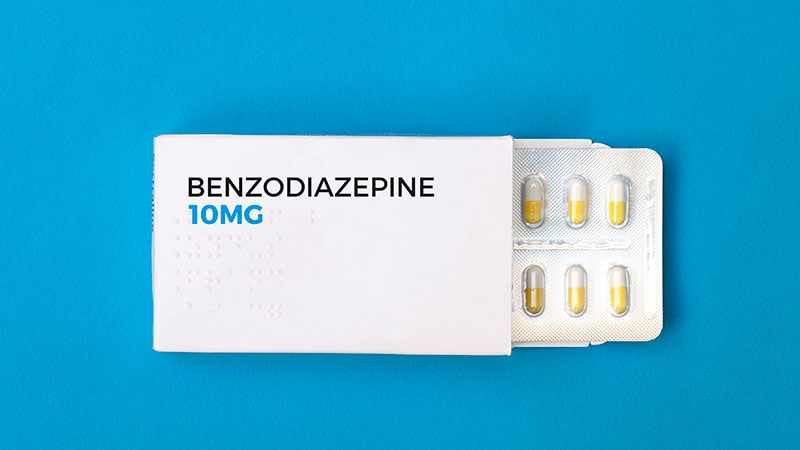
Lead image: iStock/Getty Images
Medscape Medical News © 2025 WebMD, LLC
Send comments and news tips to [email protected].
Cite this: How to Safely Taper Benzodiazepines According to Patient Response: New Guideline - Medscape - June 19, 2025.
In light of the clinical concerns, the American Society of Addiction Medicine has partnered with nine other medical societies and professional associations and on Tuesday published the Joint Clinical Practice Guideline on Benzodiazepine Tapering, in the Journal of General Internal Medicine.
The guideline outlines evidence-informed and consensus-based strategies to help clinicians, particularly primary care physicians, and patients work together to safely taper the medications while minimizing withdrawal symptoms, which can be severe and potentially life-threatening. Primary care physicians prescribe most benzodiazepines. The guideline is not meant for palliative care and end-of-life physicians, the authors noted.
Tapering Can Take More Than a Year
The guideline, with lead author and Chair Emily Brunner, MD, with the Hazelden Betty Ford Foundation in Minneapolis recommends a slow tapering process, adjusted according to each patient’s response. For those who have been using the medication for years, tapering can take a year or more, the authors noted.Among the key recommendations:
- Never abruptly stop benzodiazepines when patients are likely to be physically dependent on the medication and at risk for withdrawal.
- Consider tapering long-term use in older adults, unless there are compelling reasons for continuation.
- Regularly assess patients to weigh the risks and benefits of continuing benzodiazepine therapy compared with tapering. That calculation can change over time.
- Consider tapering when risks outweigh benefits of continued therapy.
- Begin tapering slowly and with small dose reductions (perhaps a 5%-10% reduction in total daily dose every 2-4 weeks).
- Routinely monitor patients and adjust the tapering as needed.
Patients List Their Hopes for Physicians
Aleksandra E. Zgierska, MD, PhD, with Penn State College of Medicine in Hershey, Pennsylvania, pointed out in an accompanying editorial that patients who experienced tapering helped develop the guideline at each step.Patient-advisers said they hoped physicians would:
- Be aware of the broad range of potential withdrawal symptoms and the risk for symptoms lasting months and years after stoppage.
- Know how to support patients who need very slow tapers, for example, by using “micro tapering” strategies with liquid benzodiazepine formulations when needed.
- Understand, and help patients understand, the time needed for the brain’s gamma-aminobutyric acid receptors to return to homeostasis (eg, avoiding alcohol and sedatives, including other benzodiazepine-like z-drugs such as zolpidem, zopiclone, and zaleplon).
Prioritize Those at Highest Risk of Harm
Zgierska and colleagues offer help on thinking about which patients most need tapering.“As we saw after the release of the CDC Guideline for Prescribing Opioids for Chronic Pain in 2016, guidelines can have unintended consequences,” they wrote. “There may be a large population of patients for whom benzodiazepine tapering is indicated. Clinicians should prioritize those who are at the highest risk of harm.”
In a related Viewpoint in JAMA, published simultaneously, the guideline’s lead author, Brunner, and co-editorialists, explained that after the CDC’s 2016 guideline on opioid use was published, misapplication “led some prescribers to abruptly discontinue pain medications without first developing a plan for safe tapering, putting patients at risk of withdrawal and transition to illegally obtained opioids while also failing to address pain symptoms.”
They explained that benzodiazepines are effective in managing conditions including anxiety, seizures, agitation, insomnia, and alcohol withdrawal. In 2023, they wrote, “9% of US adults received a benzodiazepine prescription.” Treatment guidelines have generally advised against use for more than 4 weeks because of the accompanying risk of falls, vehicle crashes, cognitive impairment, delirium, and overdose. Despite that, in an analysis of prescribing to US adults, “one quarter of those prescribed a benzodiazepine were prescribed a supply exceeding 120 days,” they wrote. “Many patients are currently prescribed long-term benzodiazepines for conditions that could be managed with lower-risk interventions.”
In some cases — such as those with treatment-resistant generalized anxiety disorder or sleep disorders with abnormal movements — long-term use of benzodiazepines may be warranted, they explained.
While clinicians may read the guideline and decide large numbers of their patients may need tapering, the authors of the Viewpoint wrote, “It is critical that the guideline not be used to justify abrupt discontinuation of benzodiazepines in patients who may have developed physical dependence.”
Resources for Implementation
A number of resources have been developed to help clinicians implement the recommendations in the guideline, including continuing medical education, pocket guides, and handouts, and downloadable tools such as benzodiazepine dose equivalents and decision flow charts.Report authors and the Viewpoint authors declared no relevant financial relationships. Zgierska, lead author of the editorial, is a member of the board of directors for the American Society of Addiction Medicine.
Marcia Frellick is a Chicago-based healthcare journalist and a regular contributor to Medscape.
Routinely monitor patients and adjust the tapering as needed.
Een nieuwe studie waarin 1 jaar of soms langer (zoals de Ashton Manuel hier ook wordt gemeld) is voor mensen die jaren aan benzodiazepines nemen dagelijks. Minder kans op terugval en minder last van ontwenningsverschijnselen.
Hopelijk handige informatie extra hier.
Bron:
How to Safely Taper Benzodiazepines According to Patient Response: New Guideline
Guideline Outlines How to Taper Benzodiazepines Safely
The guideline is particularly important for primary care physicians, the biggest prescribers of benzodiazepines.
www.medscape.com
Sent using the Medscape App for Android™
Credit
Lead image: iStock/Getty Images
Medscape Medical News © 2025 WebMD, LLC
Send comments and news tips to [email protected].
Cite this: How to Safely Taper Benzodiazepines According to Patient Response: New Guideline - Medscape - June 19, 2025.